Excerpt from a new book by local resident Andrew George on the history of Twickenham Park,
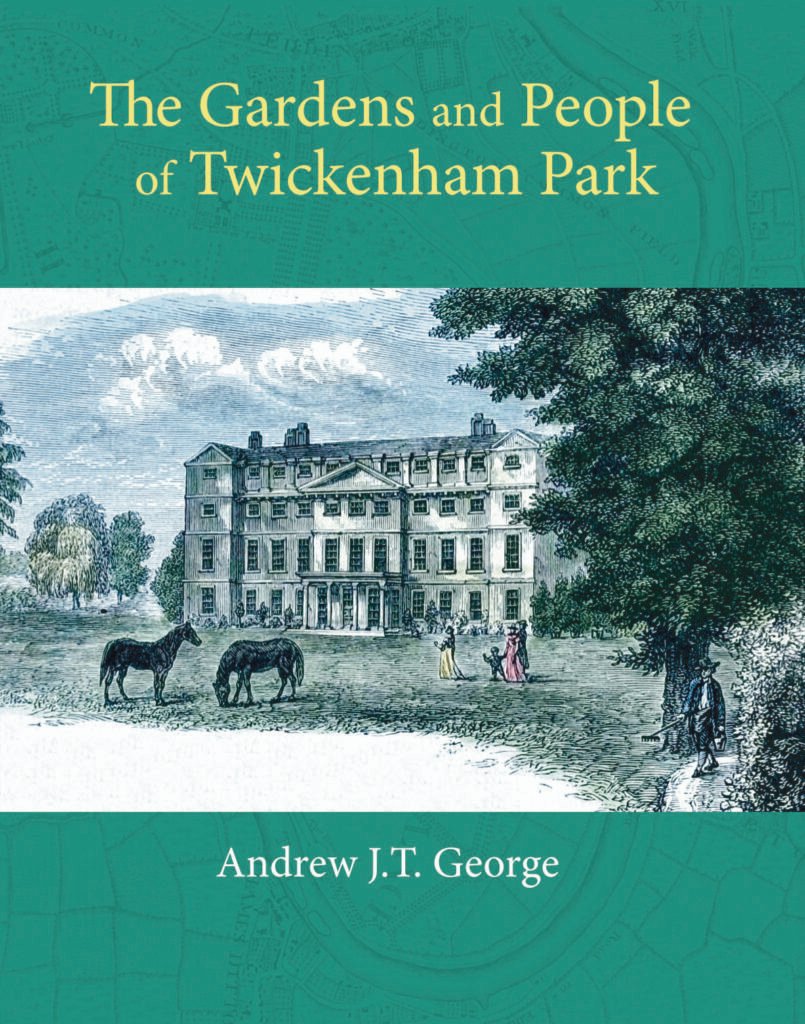
Lying by the Thames to the west of London, between Richmond, Twickenham and Isleworth, is the ancient estate of Twickenham Park created on land enclosed 800 years ago by Richard of Cornwall, brother of Henry III. It was here that Syon Abbey was founded by Henry V. Later Twickenham Park emerged as a hub of political, social and intellectual activity. It was here that Francis Bacon wrote many of his massively influential essays, including those on gardens. Bacon wanted Twickenham Park to be a place ‘for the discovery of things from the light of nature’. Instead, it became home to the colourful Lucy Harington, Countess of Bedford: patron of the arts and gardener à la mode. Inspired by her garden, John Donne composed his poem of unrequited love, ‘Twicknam Park’.
In the eighteenth century, Twickenham attracted the mercantile, intellectual and political class. Thomas Vernon planted the first English weeping willow in his garden. Nearby, Alexander Pope decorated his grotto, Henrietta Howard built her mansion and garden at Marble Hill and Horace Walpole created Strawberry Hill in the Gothic style. The nineteenth century saw a succession of wealthy owners who made gardens in the latest style, the most notorious of which was the Earl of Kilmorey who built an Egyptian mausoleum for his young lover, Priscilla.
This book is lavishly illustrated with 85 pictures and was published by the Redcliffe Press. It can be bought at the Open Book or directly from the author at https://www.andrewgeorgeblog.com/post/the-gardens-and-people-of-twickenham-park